


Prevent costly downtime and safety risks. Discover proven electric arc furnace maintenance strategies, daily checklists, and predictive EAF tools.

Discover how the ladle refining process produces ultra-clean steel. Decouple melting to achieve exact chemistry and maximum plant efficiency.

Master induction furnace selection for scrap melting. Match frequency, true melt rate, and refractory to your scrap profile to maximize yield.

Struggling with high melt shop costs? Reduce EAF energy consumption with proven strategies for foamy slag optimization and advanced automation.

Master steel melting furnace selection. Compare EAF and induction tech to optimize melt rates, match scrap quality, and solve grid constraints.

Avoid costly bottlenecks. Learn how to properly size your steel furnace to match continuous casting demands, optimize yield, and boost ROI.

Vendor quotes hide the true electric arc furnace cost. Uncover hidden CapEx, grid upgrades, and long-term OpEx to avoid severe budget overruns.

Optimize secondary metallurgy with a ladle refining furnace. Eliminate EAF bottlenecks, ensure precise chemistry, and produce ultra-clean steel.

Master the EAF LF CCM process for modern steelmaking. Learn to optimize equipment, balance CAPEX/OPEX, and achieve exact metallurgical quality.

EAF vs. Induction Furnace: Which is right for your plant? Compare CAPEX, OPEX, scrap tolerance, and refining capabilities to maximize ROI.

Billet transverse cracks are a common continuous casting defect caused by the combined effects of deep oscillation marks, steel chemistry, thermal stress, secondary cooling abnormalities, and mechanical strain. This guide explains where transverse cracks originate and how mold taper, pouring temperature, micro-alloying elements, water quality, and caster design influence crack formation. It also outlines practical prevention methods, including optimized mold oscillation, controlled secondary cooling, tighter chemistry management, and regular mold maintenance. By controlling these variables, steel plants can reduce surface defects, minimize conditioning costs, improve billet quality, and stabilize continuous casting production.

Understanding continuous casting billet defects is essential for improving steel quality, yield, and downstream rolling stability. This guide explains how to identify surface, internal, and shape defects, including longitudinal cracks, pinholes, slag entrapment, central shrinkage, diagonal cracking, rhomboidity, bulging, and twisting. It also examines the metallurgical and mechanical causes behind these problems and outlines practical solutions involving mould control, secondary cooling, electromagnetic stirring, hydraulic oscillation, and equipment maintenance. By linking each defect to its root cause, steel plants can improve troubleshooting efficiency and reduce rejection rates.

This guide explains billet longitudinal cracks in continuous casting, including their metallurgical, thermal, mechanical, and process-related causes. It examines how sulfur and phosphorus, nitride embrittlement, uneven mold cooling, excessive superheat, high casting speed, and improper mold flux contribute to surface cracking. The article also covers practical prevention methods, including optimized mold geometry, closed-loop cooling control, improved steel chemistry, stable tundish temperature, and online defect detection. By controlling these variables, steel plants can reduce billet surface defects, improve casting yield, prevent downstream rolling failures, and maintain more stable continuous casting operations.

Effective mould level control is essential for maintaining meniscus stability, reducing billet defects, and preventing breakouts in continuous casting. This guide explains the causes of mould level fluctuations, including nozzle clogging, argon instability, and strand bulging, while comparing radiometric, electromagnetic, and optical measurement technologies. It also covers response time, actuator precision, CCM automation integration, powder thickness monitoring, maintenance, calibration, and retrofit challenges. By selecting and maintaining the right control system, steel plants can improve casting stability, increase safe production speeds, reduce slag entrapment, and achieve more consistent billet quality.

Effective continuous casting breakout prevention requires coordinated process control, equipment maintenance, and reliable breakout prediction technology. This guide explains the main causes of sticker, crack, hanger, and bleeder breakouts and shows how casting speed, mold flux, oscillation, cooling, mold taper, and roll alignment affect shell integrity. It also examines Breakout Prediction Systems (BOPS), including thermocouple and fiber-optic sensing, AI-driven detection, root cause analysis, and closed-loop automation. By combining accurate monitoring with disciplined maintenance, steel plants can reduce breakout risks, limit false alarms, improve casting stability, and protect production uptime.
Continuous casting secondary cooling plays a critical role in controlling billet solidification, preventing defects, and improving casting machine output. This guide explains how cooling rates influence surface cracks, internal segregation, and billet deformation while comparing water-only, air-mist, uniform, and non-uniform cooling strategies. It also examines nozzle configuration, dynamic cooling control, water quality, automation, and retrofit risks. By optimizing spray distribution, cooling intensity, filtration, and real-time control, steel plants can achieve more uniform billet temperatures, reduce scrap and conditioning requirements, and improve both metallurgical quality and continuous casting productivity.
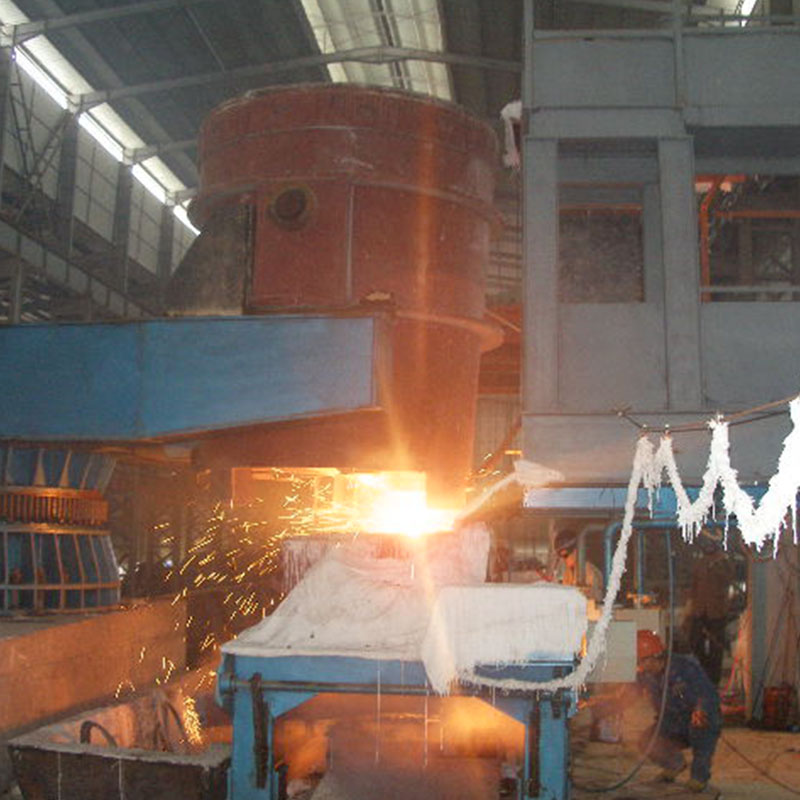
Electromagnetic stirring casting technology improves steel quality by controlling molten steel flow during continuous casting. This guide explains how Lorentz forces, stirring patterns, and M-EMS, S-EMS, and F-EMS configurations influence solidification, inclusion removal, grain structure, and chemical homogeneity. It also examines the operational and economic benefits of EMS, including higher yield, lower scrap rates, improved rolling stability, and better energy efficiency. In addition, readers can understand key implementation factors such as retrofit constraints, parameter tuning, white band formation, cooling requirements, and long-term maintenance for continuous casting machines.

This guide explains billet center segregation in continuous casting, including its causes, downstream quality risks, and practical control methods. It examines how solidification dynamics, excessive superheat, thermal gradients, billet bulging, and geometry contribute to solute concentration at the billet core. The article also compares low-superheat casting, intense secondary cooling, soft reduction, electromagnetic stirring, and predictive solidification modeling. By combining process control with suitable continuous casting technologies, steel plants can reduce centerline segregation, improve internal homogeneity, minimize cracking and downstream failures, and produce higher-quality carbon and alloy steel billets.

Understanding mould oscillation continuous casting is essential for controlling strand lubrication, surface quality, and breakout risk in steel production. This guide explains negative strip time, stroke kinematics, mold flux consumption, oscillation mark formation, and the relationship between casting speed and oscillation frequency. It also compares mechanical and hydraulic mould oscillation systems, highlighting differences in adjustment flexibility, maintenance, monitoring, and retrofit requirements. By optimizing oscillation parameters and selecting the right system, steel plants can reduce transverse cracks, improve casting stability, support different steel grades, and achieve more consistent product quality.

Effective continuous casting machine maintenance is essential for preventing breakouts, reducing unplanned downtime, and maintaining consistent steel quality. This guide provides a zone-by-zone maintenance checklist covering ladle and tundish systems, molds, oscillators, secondary cooling, segment rolls, withdrawal drives, and cutting equipment. It also explains preventive and predictive maintenance, lubrication, scale removal, condition monitoring, CMMS integration, spare parts management, and safety procedures. By combining routine inspections with digital tracking and condition-based maintenance, steel plants can identify equipment deterioration earlier, extend component life, improve casting reliability, and reduce costly emergency repairs.


