Views: 0 Author: Site Editor Publish Time: 2026-09-28 Origin: Site


Procurement teams and plant managers consistently struggle to build accurate budgets because initial capital expenditure quotes rarely reflect the complete financial picture. Initial proposals routinely exclude critical infrastructure upgrades, auxiliary cooling systems, and long-term operational expenses. You must account for these variables to avoid severe budget overruns and project delays. Establishing an accurate electric arc furnace cost demands a holistic framework. This framework evaluates production scale, transformer capacity, grid requirements, duty cycles, and consumable consumption rates. Understanding the technical drivers behind these expenses allows you to make informed procurement decisions on the factory floor. We will break down how to assess equipment scale, evaluate core components, calculate operational expenditures, and identify hidden implementation risks before you sign a contract. Proper planning ensures your facility remains profitable and operational from day one.
Scale Dictates Baseline: Lab-scale mini arc melters cost between $1,000 and $50,000, while 50+ ton industrial steelmaking EAFs range from $5 million to over $50 million.
Transformers Drive CapEx: The EAF transformer is the single most expensive component, often dictating the overall capability and cost of the unit.
Infrastructure is a Hidden Cost: Upgrading local power grids to handle the massive, fluctuating electrical load of an industrial EAF often equals or exceeds the cost of the furnace itself.
OpEx Exceeds CapEx: Electricity, graphite electrodes, and refractory lining replacements will rapidly outpace the initial purchase price over the furnace's lifecycle.
Financing and Warranties Matter: Standardized factory models offer lower upfront costs, but evaluating OEM warranties, 24-hour duty cycle guarantees, and CapEx financing options is critical for long-term ROI.
Table of Contents
Buyers must align their production volume, duty cycle expectations, and metallurgical requirements with the correct equipment class. Selecting the wrong equipment scale leads to catastrophic under-capitalization or severe operational inefficiencies. You must define your exact application parameters before evaluating any vendor proposals. The physical size, electrical requirements, and mechanical complexity of the furnace dictate the baseline capital expenditure.

Lab mini arc melters are used by universities and specialty casting workshops, with capacities from under 500g to 50kg for alloy research and small sample melting. They take little space and run on standard power, supporting vacuum and argon shielding. Most use non-consumable tungsten electrodes and water-cooled copper hearths, with closed chillers and automatic arc control. Advanced versions can tilt-cast small test ingots. Simple design keeps upfront cost low while delivering accurate metallurgical control.
Mid-size furnaces (50kg to 10 tons) serve foundries, scrap recyclers and special alloy makers, filling the gap between lab testing and large industrial production. Equipped with automatic electrode control, hydraulic tilting and heavy refractory linings, they can run 24/7 to melt steel, iron and non-ferrous metals. They need stable power supply and reinforced concrete foundations with grounding systems. Adding ladle refining or vacuum degassing raises the purchase cost, so buyers must calculate daily output to justify investment.
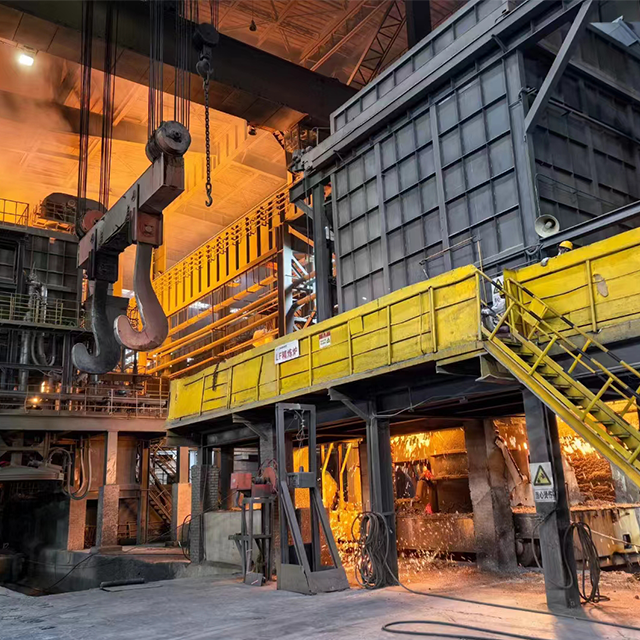
High-volume steel production and heavy scrap smelting operations depend on massive industrial units. These furnaces handle capacities ranging from 50 tons to well over 200 tons per heat. Procuring an industrial Electric Arc Furnace represents a monumental capital project. These installations require extensive engineering, customized fabrication, and massive structural footprints.
Industrial units utilize Ultra-High Power (UHP) transformers to achieve rapid melting rates. They feature extensive water-cooled panels on the shell and roof to withstand extreme internal temperatures. Modern designs incorporate eccentric bottom tapping (EBT) systems for slag-free tapping and continuous feeding systems for direct reduced iron (DRI) or hot briquetted iron (HBI). The sheer scale of the mechanical structures, hydraulic systems, and electrical components drives the capital expenditure into the highest investment tiers. Turnkey installations involve complex engineering, procurement, and construction (EPC) contracts. You must also account for the heavy-duty overhead bridge cranes required to charge the scrap buckets and transport the molten steel ladles.
Understanding the physical hardware requirements helps you decode vendor quotes. The initial capital expenditure breaks down into several distinct mechanical and electrical categories. Each component presents unique engineering challenges and financial variables. You must evaluate the specifications of these core systems to determine the true value of the equipment.
The transformer is the core and costliest part of an EAF, converting high-voltage grid power into low-voltage, high-current power for the melting arc. Higher MVA ratings shorten tap-to-tap time but raise costs sharply. AC systems have lower upfront cost, while DC systems need extra rectifiers and bottom electrodes for steadier arcs and less electrode wear. On-load or off-load tap changers also affect pricing and operational flexibility, requiring tradeoffs between initial investment and long-term efficiency.
System Type | Initial CapEx Impact | Electrode Consumption | Grid Impact (Flicker) | Maintenance Complexity |
|---|---|---|---|---|
Alternating Current (AC) | Lower baseline investment | Higher (Three electrodes) | High (Requires robust compensation) | Standard mechanical maintenance |
Direct Current (DC) | Higher baseline investment | Lower (Single electrode) | Lower (Better arc stability) | Complex (Rectifiers and bottom anode) |
EAF shells and roofs endure extreme heat and mechanical load. Larger shells boost charging capacity but demand thicker steel and stronger tilting hardware, raising equipment costs. Modern EAFs adopt water-cooled panels for upper shell and roof to extend service life, paired with high-precision hydraulics for roof movement and EBT tapping. Extra mechanical upgrades improve reliability but increase upfront investment. Daily maintenance checks cover cooling panel flow, hydraulic seals, electrode roller alignment and slag-line refractory laser inspection to avoid equipment failure.
EAFs depend on auxiliary systems for safe operation, which are frequently omitted from basic vendor quotes and must be included in your budget. Closed-loop water cooling systems with pumps, cooling towers and demineralized water protect high-temperature components. Primary fourth-hole extraction and secondary canopy hoods collect furnace fumes. The full flue gas ducting, fans and dust collection boxes add substantial capital costs and meet safety and emission rules.
Evaluating the long-term financial viability of the operation requires looking past the initial purchase. Operational expenditures rapidly accumulate and will eventually surpass the initial capital investment. You must calculate the ongoing expenses associated with energy consumption, consumables, and labor to build an accurate financial model.
EAF steel melting consumes large volumes of electricity, a major recurring operating cost. Modern UHP furnaces use 350–450 kWh per ton of steel, varying with scrap quality and chemical energy inputs. Besides base power rates, peak demand surges from unstable arcs bring extra utility penalties. Smart load management and off-peak production scheduling can cut these electricity-related costs.
Graphite electrodes carry electric current and wear fast under high heat and oxidation. UHP graphite prices fluctuate widely; lower consumption raises profit margins, and anti-oxidation treatments extend electrode service life. Refractory brick linings shield the furnace shell from molten steel and slag. Regular gunning repairs are needed, and full relining of the hearth and slag line incurs material costs plus production downtime.
EAF operation relies on skilled workers including melters, electric engineers and refractory technicians, with high costs for wages, training and safety gear. Poor training causes equipment damage and safety risks. Longer tap-to-tap cycles waste energy and reduce output, while planned maintenance shutdowns stop production. Opportunity losses from halted production must be included in long-term budget planning.
Standard equipment quotes rarely capture the full scope of an installation project. Hidden expenses and implementation risks routinely derail metallurgical projects. You must identify these project-killing variables early in the feasibility stage. Failing to account for site preparation, grid upgrades, and environmental compliance will shatter your procurement budget.
Industrial EAFs cause power flicker and harmonic distortion due to unstable power consumption. Power providers usually require costly SVC or STATCOM units for grid stabilization, whose cost can match the furnace price. Site preparation also needs heavy reinforced concrete foundations, slag pits, heavy-duty floors, overhead cranes, structural steel and step-down substations, all of which create major hidden capital costs.
EAF melting produces hazardous dust, heavy metals and toxic exhaust, requiring full flue gas treatment systems that are normally excluded from basic furnace quotes. Facilities need baghouses, pulse-jet cleaning equipment and CEMS for real-time emission monitoring. Disposal of lead- and zinc-bearing EAF dust brings continuous regulatory and logistics costs, while permits and environmental assessments also add project spending.
Used EAF parts seem cheaper at first glance, yet they carry big operational risks that erase upfront savings. Refurbished units lack modern safety and energy-saving upgrades; old transformers may have hazardous PCB oil and furnace shells may have hidden structural damage. Second-hand equipment rarely includes full OEM warranties or guaranteed performance, and old spare parts are hard to source. Buyers must balance lower initial cost against higher breakdown risk, poor efficiency and longer maintenance downtime.
Reading between the lines of vendor proposals requires a structured procurement framework. You cannot simply compare the bottom-line sticker price of two different quotes. Vendors structure their proposals differently, often excluding critical components to make their bids appear more competitive. You must standardize the evaluation criteria to ensure an apples-to-apples comparison.
EAF vendor evaluations must focus on guaranteed operational performance rather than hardware price alone. Secure fixed contractual guarantees for melting cycle time, power efficiency and electrode consumption, and link final payment to successful site acceptance testing. Extend OEM warranty coverage for core components including transformers, hydraulic systems and automation to support 24/7 continuous operation, and clarify vendor technical response speed and emergency spare-part supply rules.
Standard EAF equipment offers lower upfront cost but requires in-house teams to handle shipping, construction, auxiliary system integration and commissioning. EPC turnkey solutions feature higher initial investment yet fully eliminate integration and construction risks, with vendors taking full responsibility for full-process delivery from design to hot commissioning. Companies can select the purchasing mode based on their internal engineering and project management capacity.
Large-scale EAF projects rarely rely on full one-time cash payment. Professional equipment financing and leasing amortize high upfront costs across the equipment service life, matching capital spending with long-term production revenue. Customizable milestone payment and performance-based financing adapt to long equipment production cycles, effectively lowering project capital pressure and improving investment feasibility.
Unreasonably low EAF quotations usually exclude core components such as transformers or provide non-standard, downgraded equipment without formal safety certifications. Uncertified and non-standard equipment brings safety hazards, insurance invalidation and zero performance guarantees. Procurement teams should reject unclear bids lacking complete parameter specifications and component lists to avoid project and operational risks.
A: The transformer is universally the most capital-intensive component. Its MVA rating, voltage specifications, and internal cooling mechanisms dictate its total value. A high-capacity Ultra-High Power (UHP) transformer represents a massive percentage of the overall equipment budget and requires long manufacturing lead times.
A: Standard baseline quotes frequently exclude closed-loop water cooling systems. Vendors often quote the bare mechanical shell and transformer. You must explicitly request the inclusion of pumps, cooling towers, heat exchangers, and emergency backup tanks in your Request for Quotation to avoid hidden project expenses.
A: Industrial melting creates severe voltage fluctuations and harmonic distortion. Utility providers usually mandate the installation of Static VAR Compensators (SVC) or STATCOM systems to stabilize the local grid. These massive power quality systems often equal or exceed the financial outlay of the melting equipment itself.
A: Graphite electrodes degrade rapidly during the melting process due to extreme heat and oxidation. Because high-quality UHP graphite is a volatile and expensive commodity, the consumption rate directly impacts your daily operational profitability and long-term financial viability.
A: Purchasing used equipment lowers the initial capital expenditure but introduces severe operational risks. Used transformers may have hidden degradation, and older shells often lack modern energy efficiencies. You also forfeit OEM warranties, guaranteed performance metrics, and reliable access to obsolete replacement parts.
A: You must install massive primary and secondary fume extraction systems, including high-capacity baghouses and continuous emission monitoring systems (CEMS). Additionally, the ongoing capture, handling, and regulatory disposal of hazardous electric arc furnace dust (EAFD) represent significant, unavoidable operational expenses.