Views: 0 Author: Site Editor Publish Time: 2026-09-28 Origin: Site


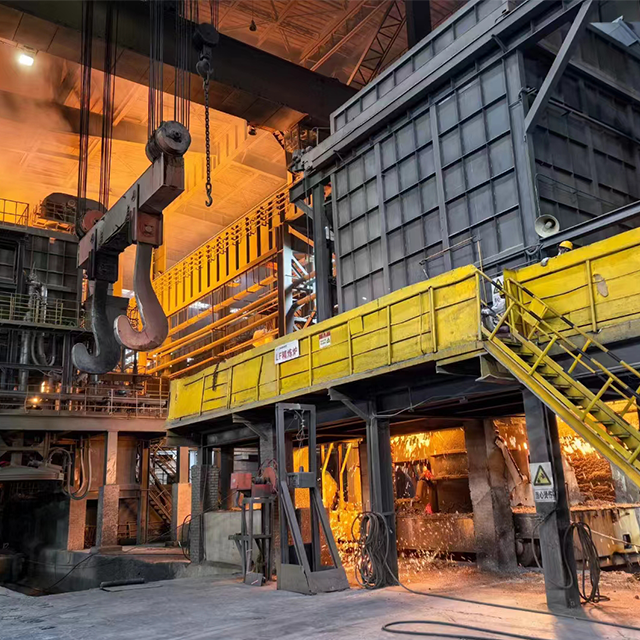
Unplanned downtime in steelmaking operations carries a severe financial penalty, where lost production time is measured in thousands of dollars per minute. An Electric Arc Furnace operates in an extreme environment combining intense thermal, mechanical, and electrical stresses. Scrap metal drops induce massive physical shocks to the lower shell, while high-current arcs generate localized temperatures exceeding 3,000 degrees Celsius. This brutal combination accelerates component degradation and creates significant safety hazards for floor personnel. Shifting from reactive repairs to a structured, data-driven electric arc furnace maintenance strategy is necessary to stabilize yield, ensure compliance, and extend equipment lifecycle. We will outline the exact protocols required to keep your melting platform operational, safe, and efficient.
Proactive vs. Reactive: Implementing a strict, tiered maintenance schedule (daily, weekly, annual) reduces catastrophic failures and stabilizes operational expenditures (OPEX).
Critical Vulnerabilities: Refractory wear, electrode joint integrity, and water-cooled panel leaks represent the highest-risk failure points requiring continuous monitoring.
Technological Integration: Transitioning to predictive maintenance via IoT sensors and Computerized Maintenance Management Systems (CMMS) offers measurable ROI through optimized outage planning and automated compliance tracking.
Safety, Certification, and Compliance: Rigorous maintenance protocols and mandatory operator training are non-negotiable for mitigating arc flash risks, preventing water-to-molten-metal explosions, and meeting environmental emissions standards.
Table of Contents
Good maintenance should support clear production and safety goals, including shorter tap-to-tap times, zero safety incidents, and longer refractory life. Planned maintenance gives the plant better control over downtime and costs, while emergency repairs can quickly increase expenses through lost production, urgent parts, and idle labor.
Regular maintenance helps keep the furnace and fume extraction systems within required safety and environmental standards. Strict Lockout/Tagout (LOTO) procedures are essential during inspections and repairs, while properly maintained primary and secondary fume hoods help prevent environmental violations, production restrictions, and unexpected shutdowns.
Early maintenance can stop minor issues from causing major production losses. For example, replacing a worn seal on the roof lift during planned downtime is far less disruptive than dealing with a hydraulic failure during melting. A proactive maintenance program improves equipment reliability and helps keep steel production stable.
Operational Zone | Reactive Approach Consequence | Proactive Maintenance Benefit |
|---|---|---|
Refractory Lining | Unexpected shell breakouts and molten steel spills. | Predictable campaign life and scheduled relines. |
Water-Cooled Panels | Water leaks leading to fatal steam explosions. | Early detection of scale buildup and micro-cracks. |
Electrode Regulation | Frequent electrode snapping and carbon pickup in the bath. | Smooth arc stabilization and optimized power consumption. |
Fume Extraction | Baghouse fires and environmental emission violations. | Consistent draft pressure and safe shop floor air quality. |
Safety is the first priority around the melting platform. Before any inspection, follow strict LOTO procedures, keep safety signs visible, and test emergency shut-off systems. Operators must wear suitable PPE, including aluminized suits and face shields when working near the slag door. Before opening the furnace, announce the shutdown, isolate the main vacuum circuit breaker, apply locks and tags to the electrical disconnects, release hydraulic pressure from the roof and tilt systems, and use calibrated equipment to confirm a zero-energy state.
Check water-cooled panels, roof rings, and off-gas ducts for leaks, hot spots, or other signs of damage, as even a small water leak near molten metal can create a serious explosion risk. Inspect the furnace shell for discoloration that may indicate refractory wear, and check the slag door, tap hole, and eccentric bottom tapping (EBT) system for blockages, buildup, or excessive wear. Make sure the EBT slide gate works correctly and that the EBT sand fills the tap hole properly to reduce the risk of steel breakout.
Inspect graphite electrodes, nipple joints, clamps, and contact pads during each shift change. Make sure electrode joints are properly tightened because loose connections can increase resistance, cause overheating, and lead to electrode failure. Check the copper contact surfaces for arcing or oxidation, remove graphite dust from the clamp area, and confirm that the contact pads have enough cooling water to prevent overheating.
Check hydraulic fluid levels, operating pressure, and temperature, and confirm that the roof lift and tilt cylinders move smoothly without vibration or hesitation, as unstable movement can affect safe tapping. Inspect scrap buckets, transfer cars, and feed systems for structural damage and proper operation, with special attention to clamshell doors and moving parts. Misaligned bucket doors can release scrap too early, potentially damaging the furnace or putting workers at risk.
Electrical checks stop serious failures in the power supply system. Run dissolved gas analysis (DGA) on transformer oil; rising hydrogen or acetylene signals internal electric arcs or damaged insulation. Check high-current water-cooled cables for wear, rubbing damage or poor water flow. Test secondary circuit joints to keep good conductivity and avoid overheating that harms copper parts. Also inspect mast arms and bus tubes, and make sure phase insulation stays intact without conductive dust.
The refractory lining decides how long the furnace can run continuously. Use a scanner on the boom to do laser profiling and measure lining wear at the hearth, slag line and hot areas near electrodes. Compare measured data against original baseline to find fast-wearing zones. Carry out targeted guniting patching on thin sections to extend furnace service life. Pay close attention to areas between refractory bricks and water-cooled panels; these spots suffer heavy thermal shock and need frequent magnesite repair.
Fume extraction systems protect workers in the melt shop. Check primary and secondary canopy hoods for structural damage, and inspect water-cooled ducts for blockages and heavy dust. Examine the drop-out box for slag buildup that limits gas flow. Measure baghouse pressure every week, clean or change filter bags to keep stable suction. Test the pulse-jet cleaning system to ensure solenoids work properly. Broken extraction systems leave harmful dust in the factory and cause environmental compliance violations.
Calibration guarantees accurate melting control. Calibrate load cells and weighing devices on scrap transfer cars, check alloy hoppers, and test carbon and flux injection equipment. Wrong material dosing creates off-spec steel and wastes raw materials. Inspect slag pots and transport gear for heat cracks and worn trunnion pins. Replace cracked slag pots to stop molten slag leakage during transport, and keep slag carriers lubricated with regular brake checks.

Annual turnarounds tackle major structural assessments. Perform non-destructive testing (NDT) on the furnace shell. Inspect the gantry, mast columns, and tilt platform. Look for hidden fatigue cracking caused by continuous thermal cycling and mechanical shock. Ultrasonic thickness gauging and magnetic particle inspection reveal flaws invisible to the naked eye.
Evaluate specific criteria to decide between partial or full shell replacement. A warped shell compromises the integrity of the water-cooled panels and the roof alignment. Inspect the EBT balcony and the lower shell water-cooling channels. Replace any sections showing severe distortion or thinning to guarantee safe operation for the next campaign year.
Assess the lifecycle stage of core components during the annual outage. Evaluate the main transformer, vacuum circuit breakers, and hydraulic power units. Upgrading to modern, high-efficiency components often makes operational sense. Compare the capital expenditure of new installations against the ongoing operational effort of maintaining legacy systems.
Modern transformers handle higher loads and offer better internal diagnostics. Upgrading the hydraulic pumps to variable frequency drives (VFDs) provides smoother electrode regulation and reduces energy consumption. Evaluate the condition of the secondary bus system and consider upgrading to larger diameter water-cooled cables to reduce electrical losses.
Component | Repair Strategy | Upgrade Strategy | Operational Impact |
|---|---|---|---|
Main Transformer | Rewind coils and replace cooling oil. | Install higher MVA unit with digital monitoring. | Increases melting power and reduces tap-to-tap time. |
Hydraulic Power Unit | Replace worn pumps and reseal cylinders. | Install variable frequency drive (VFD) pumps. | Reduces energy consumption and smooths electrode regulation. |
Water-Cooled Panels | Weld patches over minor leaks. | Install copper-clad panels for higher heat transfer. | Extends panel lifespan and reduces explosion risks. |
Electrode Regulation | Calibrate existing analog proportional valves. | Implement AI-driven digital regulation systems. | Minimizes electrode breakage and stabilizes the arc. |
Condition monitoring tools change the way metallurgy plants handle equipment maintenance. Instead of replacing parts on a fixed schedule, teams monitor equipment real-time health. Common monitoring methods include thermal imaging, vibration testing, acoustic detection and oil quality sensors.
Fixed infrared cameras continuously scan the EAF shell to spot refractory damage early. Hot spots trigger alerts for targeted repair, avoiding dangerous shell breakouts without stopping furnace production. Vibration sensors installed on exhaust fans detect tiny frequency changes to find bearing damage, imbalance or loose parts ahead of failure, preventing sudden shutdowns of the fume extraction system.
A qualified CMMS can auto-generate maintenance work orders from IoT sensor readings, forecast spare parts stock and support mobile data entry for on-site technicians. It also tracks staff certifications and connects smoothly with PLC and SCADA systems, providing one unified dashboard for managers to check production and equipment health together.
Predictive maintenance needs high upfront investment, IT support and staff training. Even so, these tools raise equipment uptime and boost work efficiency by guiding technicians to focus only on equipment that needs repair.
You can protect your plant by reviewing current maintenance schedules against OEM and failure history, rolling out digital LOTO checklists, arranging structural inspection of the furnace shell, adding sensors for cooling water micro-leak detection, and keeping enough critical spare parts on hand.
A: A standard schedule divides tasks into daily, weekly, monthly, and annual intervals. Daily checks focus on safety, water leaks, and electrode integrity. Weekly tasks involve sensor calibration, greasing moving parts, and filter inspections. Annual turnarounds handle major structural testing, transformer diagnostics, and full refractory shell replacements.
A: Refractory replacement depends on production volume, scrap quality, and arc power. Most facilities perform targeted patching (guniting) weekly based on laser profiling data. A full refractory reline typically occurs every few weeks to a few months, depending on the specific campaign life and localized wear rates.
A: The most frequent causes include water-cooled panel leaks, electrode breakages, and hydraulic system failures. Severe refractory degradation can also force an emergency shutdown. Routine visual inspections and predictive vibration analysis significantly reduce these unexpected mechanical and thermal failures.
A: Proper maintenance requires verifying precise torque specifications on all nipple joints using a crane-suspended wrench. Technicians must inspect electrode clamps for arcing damage and ensure contact pads remain clean. Monitoring the hydraulic regulation system prevents the electrodes from driving into non-conductive scrap, which causes instant snapping.
A: Water-cooling systems protect the furnace shell, roof, and off-gas ducts from extreme thermal loads. Maintaining these systems prevents catastrophic water-to-molten-metal explosions. Technicians must continuously monitor flow rates, pressure drops, and temperature differentials to identify hidden leaks before they breach the furnace interior.
A: Delayed maintenance exponentially increases the risk of arc flashes, structural collapse, and explosive reactions. Ignoring water panel leaks introduces moisture to molten steel, causing fatal explosions. Failing to maintain fume extraction systems exposes workers to toxic heavy metal particulates and violates environmental regulations.