Views: 0 Author: Site Editor Publish Time: 2026-09-28 Origin: Site


Capital equipment procurement in metallurgy carries high stakes. A new furnace dictates plant throughput, energy overhead, product quality, and decarbonization trajectories for decades. Plant managers face constant tension between maximizing melt rates and managing volatile operational variables. They must balance refractory wear and electrode consumption while adhering to strict metallurgical, safety, and environmental standards. This guide provides an evidence-based framework for navigating steel melting furnace selection. It moves beyond manufacturer spec sheets to evaluate infrastructure realities, downstream integration, and production alignment. You will learn how to match furnace capabilities with your specific scrap availability and grid constraints to ensure reliable, continuous steel production.
Technology Alignment: The choice between Electric Arc (EAF) and Induction technologies hinges strictly on scrap quality, required batch sizes, and local power grid stability.
Infrastructure Constraints: Facility retrofitting, fume extraction requirements, and high-voltage electrical infrastructure often determine project feasibility before a furnace is even selected.
Future-Proofing: Modern steel melting furnace selection must account for emerging green steel initiatives, including hydrogen-reduced DRI compatibility and renewable energy grid integration.
Table of Contents
Start equipment sizing by converting annual output targets into hourly melting rates while accounting for planned maintenance, shift schedules and utilization. Calculate net operating hours, work out baseline hourly tonnage and add a 15% buffer for unexpected disruptions. Match furnace capacity to on-site crane and ladle limits; an oversized furnace wastes heat, while an undersized unit creates bottlenecks and speeds up refractory damage.
Select furnace technology based on your target steel grades and local raw material supply. Different scrap types and pig iron behave differently during melting. Low-grade scrap carries hard-to-remove impurities, which calls for refining-capable furnaces. High shares of DRI need dedicated feeding and slag control systems because its gangue content raises slag volume and energy use.
The melting furnace must coordinate with secondary metallurgy equipment like LRF and VD units. The melter delivers fast melting, and LRF fine-tunes steel chemistry and temperature. Tapping speed must align with the continuous caster: slow tapping breaks casting sequences, while overly fast tapping causes ladle heat loss and refractory wear. Plan buffer time and ladle transport routes from furnace through LRF to the caster turret.
Electrical infrastructure often determines project feasibility before you even evaluate furnace designs. You must audit local electrical grid stability. Large melting furnaces draw massive, non-linear electrical loads that can destabilize weak grids, causing severe voltage flicker and harmonic distortion. Calculate the available short-circuit capacity at the point of common coupling. A low short-circuit ratio will mandate the installation of expensive Static Var Compensators (SVC) or STATCOM units.
Identify physical footprint limitations within your existing facility. A new furnace requires space for transformers, hydraulic units, cooling water systems, and off-gas ductwork. Evaluate existing crane capacities for charging buckets and tapping operations. Foundational requirements are severe. The civil engineering must support dynamic loads, tilting mechanisms, and potential metal breakouts. The concrete foundation must include emergency run-off pits capable of holding the entire liquid volume of the furnace in the event of a catastrophic shell failure.
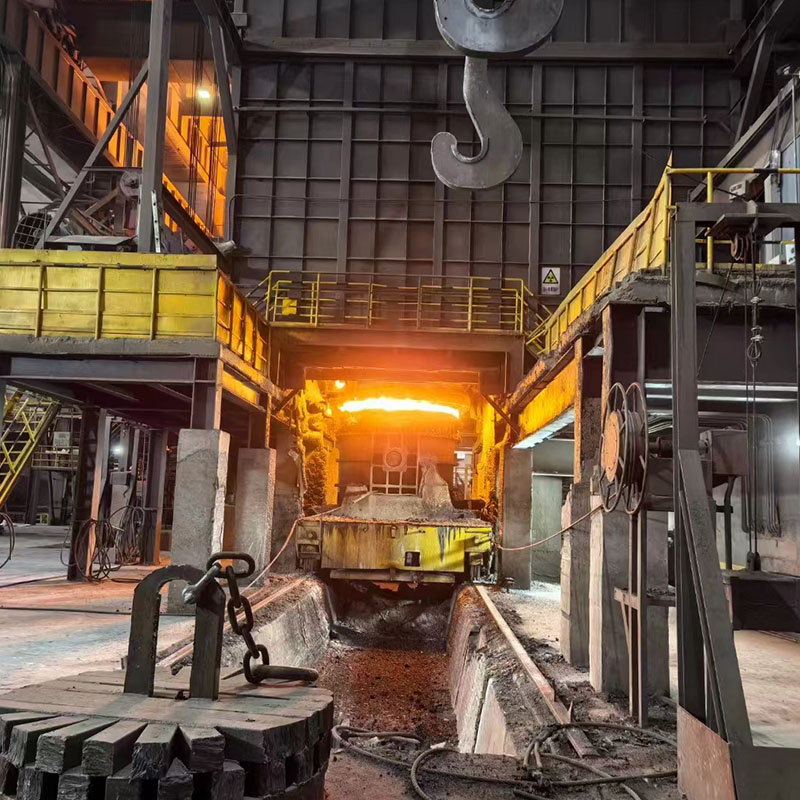
The Electric Arc Furnace dominates large-scale steel production. It melts 100% cold scrap and utilizes lower-grade charge materials effectively. The EAF performs extensive metallurgical refining. Operators can execute deep dephosphorization and desulfurization through aggressive slag practices. Oxygen lancing and carbon injection create a foaming slag layer. This layer buries the electrical arc, improving thermal transfer into the bath and protecting the water-cooled refractory walls from arc radiation.
Choosing an EAF allows plants to adapt to fluctuating scrap markets. You can blend heavy scrap, shredded material, and pig iron based on availability. You must choose between Alternating Current (AC) and Direct Current (DC) configurations. AC furnaces use three graphite electrodes. They are standard in the industry, feature simpler electrical designs, and are easier to maintain. DC furnaces use a single top electrode and a bottom anode embedded in the hearth.
DC furnaces consume less electrode graphite and create less grid flicker due to the directional current flow. However, DC systems require massive thyristor rectifiers and complex bottom anode maintenance. The bottom anode must be carefully monitored for wear and requires specialized refractory patching. EAF operations generate high noise levels, significant electrical disturbances, and massive volumes of off-gas. They are the best fit for large-scale mini-mills and operations utilizing high percentages of DRI or HBI.
Coreless induction technology excels in precision melting. These furnaces utilize a heavy-duty, water-cooled copper coil surrounding a refractory crucible. Alternating current in the coil induces eddy currents directly within the charge material. This generates rapid, internal heat without the need for an external heat source like an arc or burner. Induction furnaces provide excellent alloying precision.
The electromagnetic field creates a natural stirring action in the bath. This ensures homogeneous temperature and chemical distribution, which is critical when adding heavy ferroalloys like ferrotungsten or ferromolybdenum. Induction melting produces lower oxidation losses compared to arc melting, resulting in higher metallic yield. Operators benefit from rapid startup and shutdown capabilities. The furnace can be emptied completely between heats, allowing for rapid grade changes without cross-contamination.
Induction furnaces lack true refining capabilities. What goes into the crucible is exactly what comes out. You cannot easily remove phosphorus or sulfur through slag reactions because the slag remains relatively cold compared to the inductively heated metal bath. This imposes strict requirements for clean, sized scrap. The refractory lining is thin and vulnerable to physical damage from poor charge practices. Bridging of scrap can lead to superheating of the lower bath and catastrophic refractory failure. Selecting this Steel Melting Furnace technology is ideal for specialty steel foundries, investment casting operations, and plants producing high-alloy steels with strict chemistry tolerances.
Compare energy use (kWh/ton) between furnace models. Induction furnaces use IGBT inverters to optimize power factor, while EAFs adopt ultra-high power transformers to shorten melting cycles. Assess how these power systems affect your local grid. EAFs can cut energy use by up to 80 kWh per ton with scrap preheating, shaft furnaces or Consteel continuous feeding, which recover waste heat from exhaust gas.
Furnace size and shape control heat transfer and molten metal flow. A shallow bath boosts slag reactions but wears refractory faster; a deep bath protects bottom lining yet may create cold zones without bottom stirring. Check hydraulic tilting system reliability. Modern EBT (Eccentric Bottom Tapping) keeps slag above the tap hole for slag-free pouring, supporting clean steel and high alloy recovery.
Pick refractory types (acidic, basic or neutral) matched to your steel grades and slag chemistry. Silica linings fit carbon steel induction furnaces, while magnesia linings are required for EAF and high-alloy steel. Repeated heating and cooling cracks refractory. Keep proper slag basicity and MgO saturation to slow erosion. Refractory replacement is a major planned downtime event; quick crucible or shell swaps preserve production schedules.
Operational Feature | Electric Arc Furnace (EAF) | Coreless Induction Furnace |
|---|---|---|
Charge Material Flexibility | High (accepts heavy, low-grade scrap, pig iron, DRI) | Low (requires clean, sized, known-chemistry scrap) |
Metallurgical Refining | Excellent (Deep De-P, De-S capabilities via active slag) | None (Melting only, relies on input chemistry) |
Grid Disturbance | High (Requires SVC/STATCOM for flicker and harmonics) | Low (Balanced 3-phase load, high power factor) |
Batch Size Suitability | Large (30 to 300+ tons per heat) | Small to Medium (1 to 30 tons per heat) |
Alloy Yield and Oxidation | Moderate (Oxidation losses occur during melting) | High (Minimal oxidation, excellent alloy recovery) |
Slag Management | Active (Foaming slag practice required for efficiency) | Passive (Slag is cold and must be manually skimmed) |
Modern steelmaking relies heavily on automated process control. Evaluate PLC and SCADA integrations for power input management. Automated electrode regulation systems in EAFs maintain optimal arc length by continuously adjusting electrode height based on impedance feedback. This reduces power consumption, prevents electrode breakage, and minimizes refractory wear from arc flare.
Industry 4.0 concepts are transforming melt shop floors. AI-driven predictive maintenance monitors cooling water delta-T (temperature change) and vibration data to predict component failures before they cause catastrophic downtime. Digital twin modeling simulates the melting process to optimize scrap charging recipes based on real-time market prices and required final chemistry. Automated slag management systems monitor slag volume and chemistry. Precise inclusion control requires strict automated oversight of the entire melting, alloying, and tapping sequence.
Scrap availability fluctuates based on global market dynamics and regional export restrictions. Future-proof furnaces must handle diverse alternative charge materials without suffering massive productivity drops. Evaluate the equipment's capability to melt Hot Briquetted Iron (HBI) and Direct Reduced Iron (DRI). These materials provide clean iron units free of tramp elements but require specific handling infrastructure.
DRI contains gangue materials (silica and alumina) that increase slag volumes and energy consumption. Continuous feeding systems through the furnace roof (fifth hole) are necessary for high-percentage DRI operations to prevent bath freezing. As the industry moves toward green steel, hydrogen-reduced DRI will become standard. Your furnace design must accommodate the specific melting thermodynamics of these low-carbon metallic inputs, which often lack the internal carbon required for natural slag foaming.
Decarbonization requires integration with renewable energy sources. Solar and wind power generate fluctuating grid conditions. Assess the furnace's ability to operate efficiently on variable power grids. Advanced static var compensators (SVC) and active power filters are necessary to stabilize the draw and prevent utility penalties. Hybrid burner systems offer another layer of flexibility.
Modern EAFs utilize chemical energy through sidewall burners and supersonic oxygen injectors. Evaluate burners capable of running on hydrogen and natural gas blends. Transitioning to hydrogen burners reduces direct carbon emissions from the melting process. Flexible power integration ensures compliance with tightening environmental regulations and allows plants to take advantage of off-peak renewable energy pricing structures.
There is no universally superior steel melting furnace. The optimal choice depends entirely on your scrap availability, grid capacity, target steel grades, and long-term decarbonization goals. A foundry pouring precision stainless steel requires different technology than a mini-mill producing rebar. Evaluate your facility constraints before committing to a specific technology path.
Initiate a comprehensive power quality audit with your local utility provider to determine maximum allowable grid disturbances and short-circuit capacity.
Analyze your historical scrap purchasing data to define the exact chemical and physical properties of your typical charge material.
Request detailed performance guarantees from shortlisted OEMs regarding tap-to-tap times, energy consumption per ton, and refractory wear rates.
Conduct site visits to reference plants operating the exact furnace model you intend to purchase, focusing on maintenance realities and operator feedback.
Map out the exact logistical flow from the furnace spout to the continuous casting machine to ensure the new melt rate aligns with downstream pacing.
A: Coreless induction furnaces are highly efficient for melting clean scrap due to direct electromagnetic heating. For large-scale operations, an AC or DC Electric Arc Furnace equipped with scrap preheating systems and continuous feeding offers the highest overall energy efficiency per ton of steel produced.
A: Choose an EAF if you need to melt low-grade scrap, require metallurgical refining to remove phosphorus and sulfur, and produce large batches. Choose an induction furnace if you use clean, high-quality scrap, require precise alloying without refining, and operate a foundry with smaller batch requirements.
A: An AC furnace uses three graphite electrodes and standard three-phase power, offering simpler maintenance. A DC furnace uses a single top electrode and a bottom anode, which reduces electrode consumption and grid flicker but requires a more complex electrical setup and intensive bottom refractory maintenance.
A: Poor quality scrap contains impurities that must be refined out using basic slags and oxygen lancing, necessitating an EAF. Clean, sorted scrap with known chemistry can be melted directly in an induction furnace, which lacks the ability to remove tramp elements or reduce sulfur and phosphorus.
A: Green steel initiatives force plants to select furnaces capable of melting hydrogen-reduced Direct Reduced Iron (DRI) and Hot Briquetted Iron (HBI). Modern furnaces must also integrate with renewable energy grids, requiring advanced power stabilization equipment and hybrid hydrogen-ready burner systems.
A: Power requirements vary drastically by size and technology. A small 5-ton induction furnace may require a 3 to 4 MW power supply. A large 100-ton EAF requires an ultra-high power transformer ranging from 80 MVA to over 120 MVA, drawing massive currents that demand robust grid infrastructure.