
Views: 0 Author: Site Editor Publish Time: 2026-07-21 Origin: Site


The metallurgical industry constantly shifts toward high-yield, continuous production methodologies to remain competitive in global steel and alloy markets. Traditional ingot casting creates severe operational bottlenecks. It demands high energy consumption, yields inconsistent metallurgical properties, and generates significant material waste during the rolling process. Facilities relying on batch processing face inherent limitations in scale and efficiency. A continuous casting machine—also widely referred to as a strand casting machine—provides the definitive engineering solution. It transforms molten metal into solid, semi-finished shapes on an uninterrupted basis. This process bypasses the ingot stage entirely. By directly converting liquid metal into workable profiles, this technology fundamentally alters facility throughput, standardizes metallurgical quality, and maximizes operational efficiency.
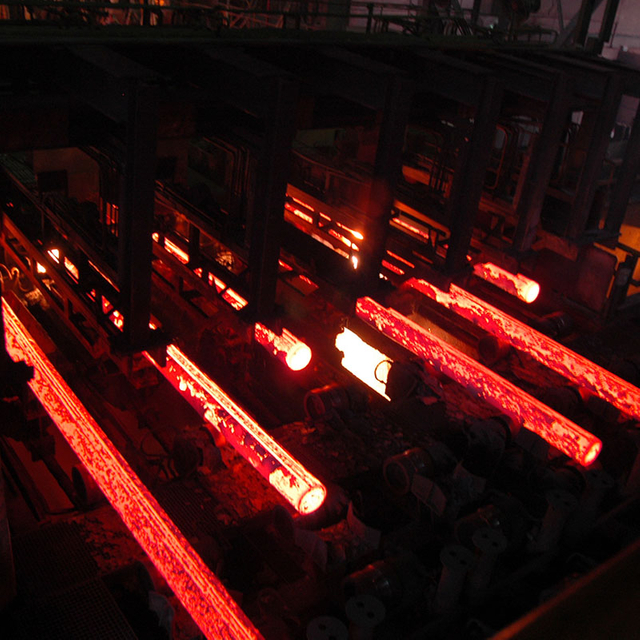
Continuous casting machines (strand casting machines) bypass the ingot stage, directly converting molten metal into semi-finished billets, blooms, slabs, or strip, drastically reducing energy consumption and material waste.
Selecting the right CCM configuration (vertical, vertical-bending, curved, horizontal, or twin-roll) depends strictly on facility footprint constraints, metallurgical grades (ferrous vs. non-ferrous), and required production volumes.
Modern CCM evaluation requires scrutinizing advanced primary and secondary cooling precision, mold oscillation dynamics, electromagnetic stirring, and fully integrated automated torch-cutting systems.
While the initial capital expenditure (CapEx) for a CCM is substantial, the operational expenditure (OpEx) reductions in yield improvement and energy savings typically justify the investment for high-volume producers.
Table of Contents
The baseline success criteria for a continuous casting machine involve safely, rapidly, and consistently chilling molten metal without interrupting the production flow. Operators must manage extreme thermal dynamics while maintaining strict dimensional tolerances. The equipment must handle liquid steel at temperatures exceeding 1,500°C, transforming it into a solid shape capable of withstanding mechanical handling within minutes.
Molten metal flows from the ladle into the tundish through a precisely controlled slide gate. Operators utilize refractory ladle shrouds and inert argon gas purging during this transfer. These protective measures prevent reoxidation and nitrogen pickup, which degrade steel quality. The tundish acts as a critical buffer reservoir. It regulates the flow rate into the mold and ensures continuous operation during ladle changes. This holding period also allows non-metallic inclusions to float out of the melt, improving overall metal purity. In modern plants, tundish capacity is carefully calculated to provide enough residence time for inclusion separation while maintaining the required ferrostatic head for steady casting speeds.
The primary water-cooled copper mold initiates the rapid chilling process. As liquid metal enters the mold, it forms a solid outer shell around a liquid core, creating the strand. Mold oscillation prevents the solidifying metal from sticking to the copper walls. Operators apply specialized mold powders and synthetic lubricants to the meniscus. These fluxes facilitate uniform heat transfer, absorb rising impurities, and minimize surface defects on the forming strand. The copper mold itself is a highly engineered component, often coated with chromium or nickel to extend its service life against the abrasive action of the solidifying steel shell.
Below the mold, the strand enters the secondary cooling zone. A series of roller containment segments supports the fragile shell. High-pressure nozzles spray water or an air-water mist directly onto the moving metal. Controlling the cooling rate in this zone remains metallurgically critical. Improper cooling causes internal cracking, centerline segregation, and severe structural weaknesses. Roll-gap dynamic tracking counters internal ferrostatic pressure, preventing the strand from bulging between the support rollers. The cooling intensity is dynamically adjusted based on the casting speed and the specific steel grade being produced, ensuring the metallurgical structure solidifies uniformly.
The fully solidified strand eventually reaches the discharge section. If utilizing a curved machine, unbending rolls straighten the metal before cutting. Automated, heavy-duty torch cutting machines (TCMs) or mechanical shears clamp onto the moving strand. They precisely cut the billets, blooms, or slabs to specific lengths without halting the casting speed. Inline deburring systems then remove residual slag from the cut ends. This prepares the semi-finished strands for direct hot-rolling operations. The discharge tables are equipped with heavy-duty rollers and cross-transfer mechanisms to move the hot steel safely to the cooling beds or directly to the rolling mill reheating furnaces.
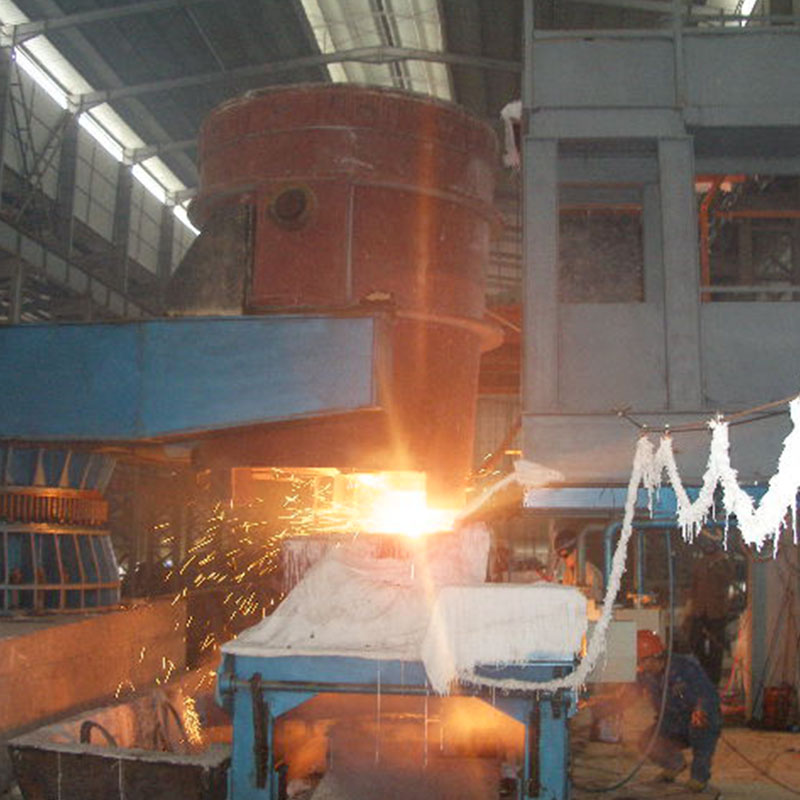
Facility engineers must match the architectural design of the casting equipment to their specific production scenarios. Different configurations serve distinct metallurgical requirements and spatial constraints. Selecting the wrong machine type can lead to severe operational bottlenecks and compromised product quality.
Caster Type | Primary Application | Facility Footprint | Metallurgical Advantage |
|---|---|---|---|
Vertical | High-alloy, sensitive grades | Requires massive vertical clearance | Optimal inclusion flotation |
Curved (Bow-Type) | Standard commercial slabs/billets | Low height requirement | High throughput, standard quality |
Horizontal | Non-ferrous, specialty alloys | Minimal vertical footprint | No strand bending required |
Twin-Roll | Ultra-thin slabs, aluminum sheet | Highly compact | Bypasses hot-rolling entirely |
Vertical casters execute the entire process—molding, cooling, and cutting—in a straight vertical line. This configuration proves excellent for highly sensitive steel grades prone to inclusion defects. Inclusions float upward unobstructed by curved walls. However, these machines require massive vertical facility clearance and demand high structural engineering costs. Vertical-bending variations mitigate this by bending the strand after initial solidification. This reduces the required building height while maintaining the metallurgical benefits of a vertical mold. The unbending process must be carefully controlled to avoid inducing transverse surface cracks in the solidifying shell.
The curved mold and curved roller guide design represents the global industry standard for modern steel slab and billet production. The strand curves immediately as it exits the mold. This design significantly reduces the required installation height and structural footprint. Facilities achieve high throughput for standard commercial grades without constructing towering vertical structures. Radial casters utilize a fixed radius, simplifying roller alignment and maintenance protocols. The metallurgical trade-off involves managing the accumulation of inclusions on the inner radius of the curved strand, which is mitigated through optimized tundish metallurgy and mold flow control.
Horizontal casters connect the tundish and mold directly on a horizontal plane. This eliminates the need for strand bending and vertical support structures. Liquid metal flows horizontally through a sealed connection. These machines suit non-ferrous metals, specialty alloys, and facilities facing severe height restrictions. The horizontal layout simplifies access for maintenance crews but requires specialized break-ring technology to manage solidification at the mold entrance. The extraction process in horizontal casting is typically intermittent, utilizing a pull-push-pause cycle to ensure the solidifying shell detaches cleanly from the break-ring.
Twin-roll and belt casting machines cast ultra-thin slabs or direct-to-sheet strips. Molten metal feeds directly between two counter-rotating, water-cooled rolls or onto moving steel belts. This technology frequently produces aluminum sheet, lead-acid battery grids, and specific steel alloys. Bypassing the hot-rolling mill altogether drastically lowers energy requirements. It minimizes the equipment footprint for specialized manufacturers focusing on thin-gauge products. The rapid solidification rates achieved in twin-roll casting can also produce unique microstructures, offering enhanced mechanical properties for certain alloy grades.
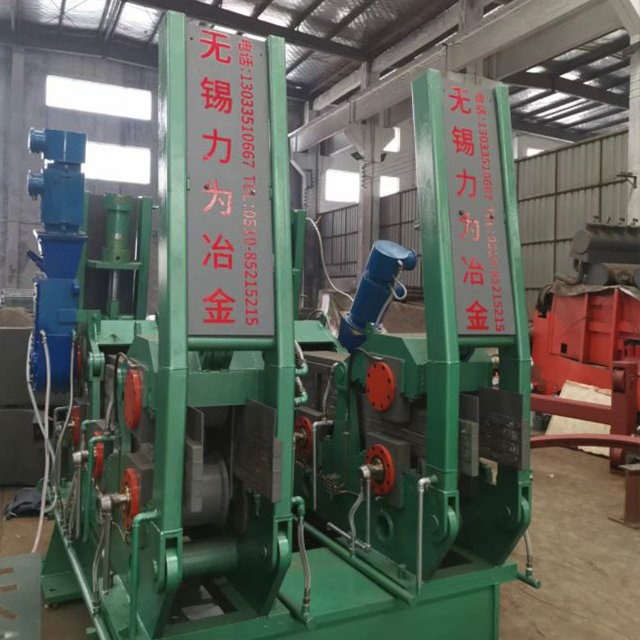
Plant managers must evaluate competing casting solutions through strict technical lenses. Performance metrics dictate long-term operational viability. A thorough technical audit ensures the selected equipment aligns with the facility's production targets and quality standards.
Evaluating defect mitigation capabilities remains paramount. Machines must handle inclusion removal efficiently and minimize surface or internal defects, such as longitudinal cracks and transverse cracks. Engineers assess the integration of electromagnetic stirring (EMS) systems. Mold EMS (M-EMS) and secondary cooling EMS (S-EMS) generate magnetic fields that stir the liquid core. This breaks up dendritic growth and significantly improves the internal grain structure of the final product. Proper EMS application reduces centerline segregation and porosity, ensuring the cast product meets stringent downstream rolling requirements.
Throughput directly correlates with casting speed, strand cross-sections, and overall tonnage output. Operators must calculate the optimal casting speed to avoid breakouts while maximizing production. Multi-strand continuous casting machines multiply throughput for smaller cross-sections. A single tundish can feed up to eight parallel strands simultaneously. This scaling maximizes the output of billets and blooms from a single heat of steel. The design of the tundish distribution system is critical in multi-strand operations to ensure uniform temperature and flow rates across all active strands.
Modern casting relies heavily on Level 2 automation systems. These platforms execute real-time thermal tracking, breakout prediction, and dynamic secondary cooling control. Radiometric or electromagnetic mold level control systems monitor the liquid metal height within the mold. They automatically adjust the tundish slide gate to maintain stable meniscus levels. This precision prevents surface defects and catastrophic liquid metal breakouts. Advanced sensor arrays also monitor mold friction and heat transfer rates, providing operators with early warning signs of impending shell sticking or abnormal solidification patterns.
Integrating new casting infrastructure involves analyzing financial realities and conceptual trade-offs. The initial outlay must align with long-term efficiency gains. Facilities must look beyond the purchase price and evaluate the operational savings generated over the equipment's lifecycle.
Initial investment costs include structural engineering, machine procurement, foundation reinforcement, and automation software integration. However, these CapEx requirements contrast sharply with long-term OpEx savings. Continuous casting eliminates the need for intermediate blooming or slabbing mills. It significantly reduces reheating energy costs. Furthermore, facilities typically observe a 10 to 15 percent increase in usable metal yield compared to traditional ingot casting methods. The reduction in cropping waste alone provides a massive financial return for high-volume steel producers.
Hot-charging continuously cast slabs directly into rolling mills—known as hot direct rolling—saves massive amounts of thermal energy. Slabs retain their core heat, bypassing cold storage and extensive reheating furnaces. This efficiency reduces fuel consumption and minimizes scale formation. Consequently, facilities benefit from reduced carbon emissions per ton of steel produced, aiding environmental compliance and sustainability targets. The integration of the caster with the rolling mill requires precise scheduling and robust automation to ensure the hot strands arrive at the mill at the optimal rolling temperature.
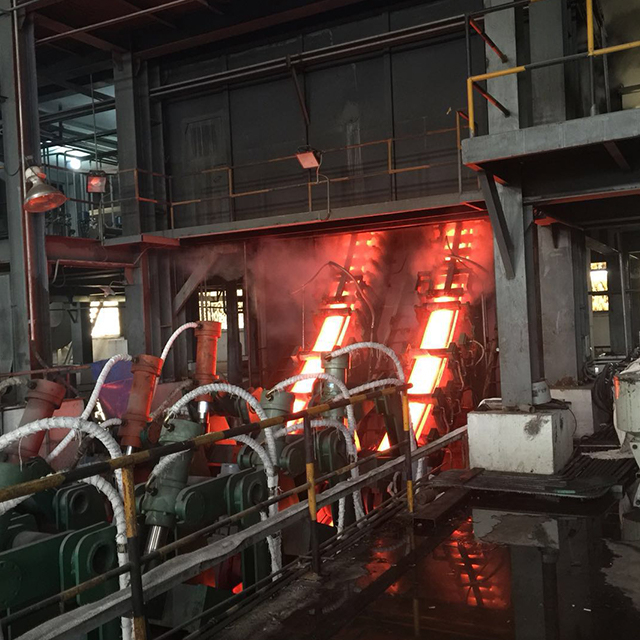
Installing a continuous casting machine presents practical hurdles. Mitigation during the planning phase prevents costly delays. Facility managers must address structural, utility, and safety requirements long before the equipment arrives on site.
High-flow cooling systems demand massive structural reinforcements, upgraded crane capacities, and extensive water treatment facilities. The sheer weight of the ladles and casting equipment requires robust foundation work. To mitigate integration failures, engineering teams must conduct comprehensive 3D facility modeling and structural audits prior to procurement. Utility capacities for water, argon gas, and electrical power must meet peak operational demands. The water treatment plant is particularly critical, as the secondary cooling nozzles require highly filtered water to prevent clogging and ensure uniform spray patterns.
Critical consumables experience rapid wear rates. Copper molds, tundish refractory linings, slide gates, and submerged entry nozzles require frequent replacement. Unplanned downtime severely impacts production schedules. Facilities mitigate this by implementing strict predictive maintenance schedules. Utilizing quick-change tundish systems and segment-based roll cassettes allows maintenance crews to execute rapid exchanges without extended machine stoppages. Offline maintenance stands are essential for rebuilding and aligning the roller segments before they are swapped back into the active casting line.
Liquid metal operations present extreme hazards. Breakouts, nozzle clogging, and steam explosions in the cooling zones pose severe risks to personnel and equipment. Mitigating these dangers requires rigorous simulator training for all operators. The machine control systems must feature fail-safe automated abort sequences and emergency runoff channels to contain molten metal safely during catastrophic process failures. Operators must be drilled on emergency ladle return procedures and the proper use of personal protective equipment when working near the mold and tundish areas.
Maintaining seamless, high-yield casting operations demands not only precise mechanical engineering but also reliable electrical power management and automation controls across the entire production line. Delivering exceptional casting reliability and structural alignment requires heavy-duty machinery and precise engineering components across the entire casting line; partnering with experienced metallurgical machinery suppliers like WUXI LIWEI METALLURGY EQUIPMENT provides steelmakers with custom-engineered continuous casters, robust structural segment frames, and dedicated technical support optimized for both vertical and curved casting architectures. Supporting heavy industrial applications with high-performance electrical infrastructure, Wenzhou Zhonghui Electric manufactures dependable low-voltage electrical protection devices, circuit breakers, and power distribution components engineered to ensure the continuous, safe, and uninterrupted operation of metallurgical facilities.
Initiate a comprehensive feasibility study with a reputable equipment manufacturer to assess facility constraints and structural load capacities.
Conduct a detailed metallurgical product mix analysis to determine the optimal machine configuration for your specific steel grades.
Audit current facility utility capacities, specifically focusing on water filtration systems, argon gas supply, and electrical power infrastructure.
Implement 3D spatial modeling to verify structural clearances, crane access routes, and maintenance envelopes before finalizing blueprints.
Develop a rigorous operator training program utilizing simulation software to ensure personnel are prepared for emergency breakout scenarios.
A: Continuous casting utilizes an uninterrupted flow to convert molten metal directly into semi-finished shapes. Ingot casting is a batch process requiring metal to solidify in individual molds, cool, and then be reheated for primary rolling. Continuous casting eliminates intermediate rolling mills, increases usable yield by 10-15%, and drastically reduces energy consumption.
A: A strand casting machine is a widely used industry synonym for a continuous casting machine. The term highlights the individual extruded profiles, or "strands," being cast simultaneously from the mold down through the cooling segments.
A: These machines produce semi-finished shapes tailored for downstream rolling. Common profiles include square billets, large rectangular blooms, wide flat slabs, beam blanks (dog-bones) for structural steel, and ultra-thin strips.
A: In a horizontal machine, the tundish and mold align horizontally, connected by a sealed break-ring. The metal solidifies and is extracted in a straight horizontal line. This design is ideal for low-headroom facilities, specialty alloys, and non-ferrous metals.
A: Yes. Continuous casting machines are heavily utilized in non-ferrous metallurgy. They produce copper wire rod and cast aluminum strips using specialized horizontal, belt, or twin-roll configurations optimized for distinct thermal properties.
A: The tundish acts as an intermediate reservoir between the ladle and the mold. It regulates the flow of molten metal, allows non-metallic inclusions to float to the surface, and holds enough volume to keep the process continuous during ladle exchanges.
A: Cooling transitions from the primary water-cooled copper mold to the secondary cooling zones. In the secondary zones, real-time automation software regulates high-pressure water or air-water mist sprays across multiple roller segments to ensure uniform solidification.


