Views: 0 Author: Site Editor Publish Time: 2026-08-17 Origin: Site


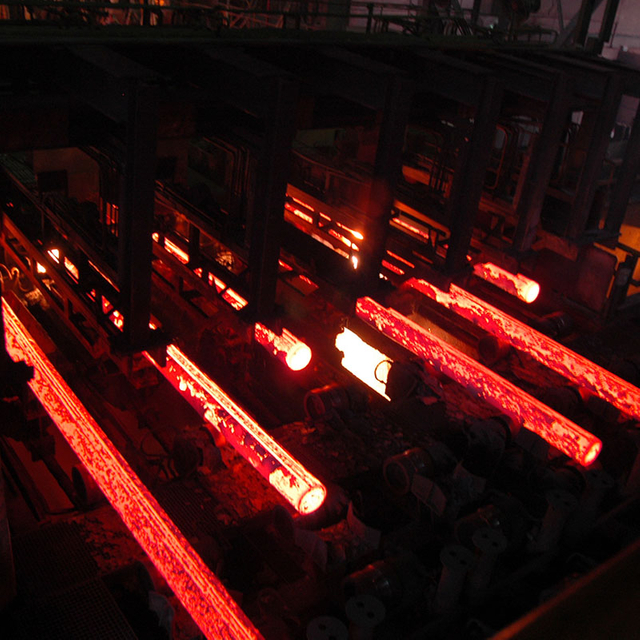
Unplanned downtime in continuous casting operations costs steel plants millions annually. Breakouts, scrapped heats, and compromised strand quality destroy profit margins. When liquid steel transitions into a solid strand, the equipment operates under extreme thermal stress, heavy mechanical wear, aggressive scale buildup, and high hydraulic pressures. Relying on reactive repairs in this harsh environment is unsustainable and highly dangerous for plant personnel.
Transitioning from reactive firefighting to predictive, condition-based asset management requires a standardized, zone-by-zone approach. Implementing a strict continuous casting machine maintenance protocol is the most effective way to ensure equipment reliability, safeguard personnel, and maintain metallurgical consistency. By isolating the machine into distinct operational zones, maintenance teams execute precise inspections, eliminate root causes of mechanical binding, and prevent catastrophic failures before they occur.
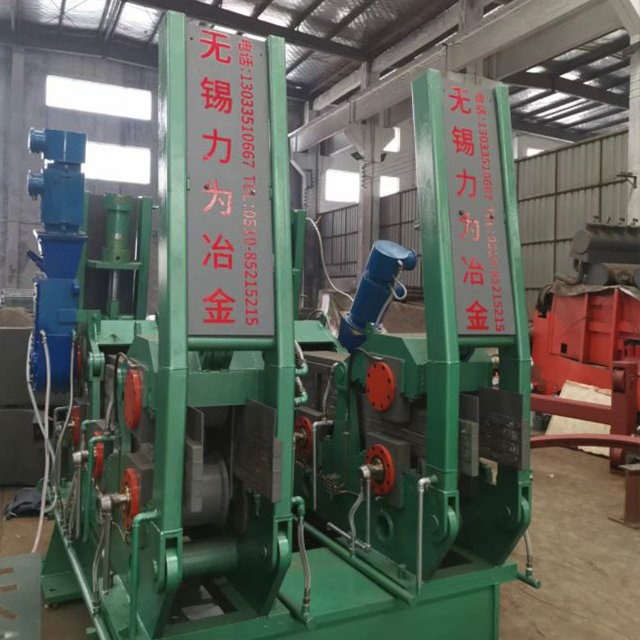
Zone-Specific Protocols: Effective continuous casting machine maintenance requires isolating the equipment into distinct zones (turret, mold, secondary cooling, withdrawal) to ensure precise inspection, cleaning, and accountability.
Breakout Prevention: Routine calibration of mold oscillation, rigorous inspection of secondary cooling nozzles, and strict cleanliness standards are non-negotiable for maintaining shell integrity and preventing catastrophic breakouts.
The Pillars of Reliability: More than 60% of premature roll and bearing failures stem from improper lubrication schedules, inadequate scale removal, or micro-misalignments in the segment rolls.
Digital Transformation: Transitioning from paper checklists to integrated Computerized Maintenance Management Systems (CMMS) enables real-time condition monitoring, historical fault analysis, and data-driven maintenance scheduling.
Table of Contents
Defining the baseline metrics for a successful maintenance program is the first step in transforming plant operations. Success criteria must include increased yield rates, extended equipment lifecycles, reduced consumable costs, and zero safety incidents. When a caster operates reliably, the metallurgical quality of the steel improves, reducing the need for downstream conditioning or scrapping. Maintenance acts as a direct driver of plant profitability and production stability.
The cascading effects of a maintenance failure are severe. A breakdown in the cooling or oscillation systems immediately causes metallurgical defects such as surface cracking, internal porosity, and center segregation. The ultimate failure—a breakout—results in liquid steel at 1500°C spilling into the machine segments. This event freezes the mechanical components, requiring multi-day operational halts. Crews must use oxygen lancing equipment and pneumatic jackhammers to clear the solidified steel. The thermal shock and physical damage destroy rolls, ruin sensors, melt hydraulic lines, and cause massive losses in production tonnage.
Plant managers constantly balance resource allocation between scheduled downtime and production demands. The cost of scheduled maintenance downtime is predictable and controllable. Conversely, the exponential cost of emergency repairs, expedited replacement parts, and lost production tonnage far outweighs the investment in preventive care. Allocating resources to structured inspections prevents minor misalignments from escalating into catastrophic mechanical jams. A well-maintained machine runs faster, produces cleaner steel, and protects the workforce from hazardous exposure.
Routinely clean slag buildup and steel splatter from the tundish car tracks, load cells, and turret mechanisms. Slag accumulation acts as a wedge, causing mechanical binding and preventing smooth rotation. Debris on load cells distorts weight readings, leading to inaccurate steel level control in the tundish. Systematic cleaning schedules ensure these heavy mechanical components operate without obstruction. Maintenance crews should use heavy-duty scrapers and compressed air to clear tracks before every sequence.
Inspect ladle turret bearings, gearboxes, and slewing rings for wear, abnormal noise, and vibration. The turret supports massive dynamic loads, often exceeding several hundred tons. Any degradation in the slewing ring or drive pinions leads to uneven rotation or complete binding. Technicians must verify the integrity of the structural welds and monitor the drive motors for amperage spikes that indicate excessive mechanical resistance. Grease sampling from the slewing bearing provides early warning signs of metal fatigue.
Check tundish car lifting mechanisms, hydraulic cylinders, and hoses for leaks, pressure drops, and fluid degradation. Hydraulic systems operating near liquid steel are highly susceptible to thermal degradation. A sudden loss of hydraulic pressure causes the tundish to drop, altering the submerged entry nozzle (SEN) depth and disrupting the casting process. Verify that all heat shields protecting these hydraulic lines remain intact and replace any fire-resistant sleeves showing signs of charring.
Verify the precise alignment of the tundish over the mold to ensure symmetrical steel flow. Misalignment causes uneven heat distribution inside the mold, leading to uneven shell growth and premature copper wear. Laser alignment tools should be used during scheduled downs to confirm the tundish car tracks and centering pins remain perfectly calibrated to the machine centerline.
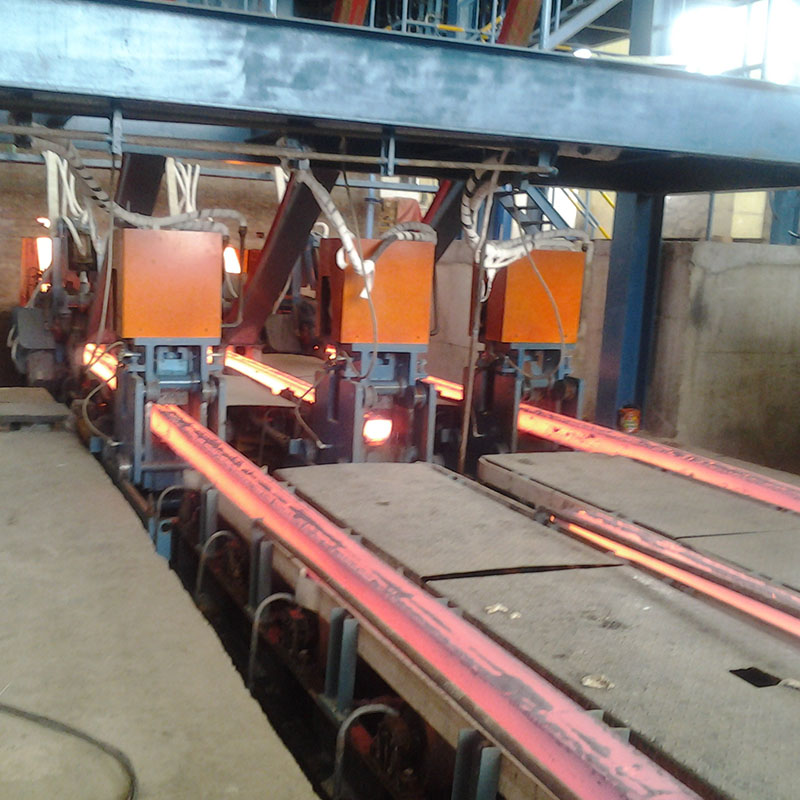
Measure wear, thermal distortion, and coating degradation on mold copper plates. The mold is the primary heat extraction zone. As the copper wears from friction, the critical taper is lost, creating an air gap between the shrinking steel shell and the mold wall. This gap insulates the steel, retarding shell growth and increasing breakout risk. Establish strict replacement thresholds based on cast tonnage and physical measurements using specialized taper gauges.
Calibrate stroke length and frequency on the oscillation mechanism. Inspect leaf springs, eccentric shafts, and drive motors for fatigue or backlash. The oscillator prevents the steel shell from sticking to the copper mold by creating a negative strip time. Any lateral movement or deviation in the stroke profile causes deep oscillation marks or transverse surface cracks on the strand. Vibration analysis on the eccentric drive helps detect early bearing wear before it impacts the stroke trajectory.
Verify the offline assembly quality of foot rolls prior to installation. Foot rolls guide the fragile steel shell immediately as it exits the mold. If these rolls are misaligned or seized, they gouge the thin shell, leading to a breakout just below the mold. Follow a strict offline preparation sequence:
Mount the foot roll assembly on a calibrated setup stand in the maintenance shop.
Measure the roll gap using a digital micrometer to ensure it matches the required taper profile.
Verify that all rolls spin freely without binding or excessive radial play.
Apply high-temperature, water-resistant grease to all bearing housings.
Pressure test the internal cooling water circuits for leaks before transporting the assembly to the cast floor.
Pressure-test mold water jackets for leaks, verify flow rates, and inspect water quality. Uniform heat extraction requires unrestricted, high-velocity water flow. Scale buildup inside the copper mold's cooling channels acts as an insulator. Routine chemical cleaning and back-flushing of the primary cooling circuit prevent localized hot spots on the copper plates. Flow meters and pressure transmitters must be calibrated quarterly to ensure the PLC receives accurate cooling data.
Implement rigorous descaling routines to remove iron oxide buildup. Scale falls continuously as the strand cools, accumulating on segment frames, obstructing spray nozzles, and jamming segment rolls. If scale insulates the strand, it causes uneven cooling and internal stress. Physical removal of scale during maintenance windows is mandatory to keep the secondary cooling chamber functional. High-pressure water lancing during shutdowns clears the flumes and prevents scale from burying the lower segments.
Inspect and clean all spray nozzles. Conduct spray pattern and flow rate tests to prevent uneven cooling and subsequent strand cracking. Clogged nozzles create dark, hot bands on the cast strand. This uneven thermal gradient generates severe internal stresses, leading to halfway cracks or center segregation. Technicians must verify header pressures, clean inline strainers, and replace any nozzles showing asymmetrical spray patterns.
Measure roll wear, surface cracking, and bending. Use roll gap checkers (sleds) to verify precise roll-to-roll alignment and gap taper. As the strand moves through the segments, the rolls must perfectly match the shrinkage profile of the steel. Worn rolls or incorrect gaps cause bulging of the strand between rolls. This bulging pumps liquid steel back up into the mold, creating severe internal defects and level fluctuations at the meniscus.
Execute strict lubrication schedules for segment roll bearings, utilizing automated centralized lubrication systems. These bearings operate in an environment of extreme heat, steam, and abrasive scale. Continuous purging with high-temperature grease pushes out contaminants and prevents bearing seizure. Monitor grease lines for crushing or blockages, as a single blocked line will destroy a segment bearing within hours.
Inspect withdrawal motors, reducers, and coupling components for torque consistency, mechanical wear, and proper alignment. The withdrawal drives pull the strand at a highly controlled speed. Backlash in the reducers or slipping in the couplings causes speed fluctuations, disrupting the meniscus level in the mold and compromising surface quality. Gearbox oil must be sampled regularly to check for metal shavings and water contamination.
Test the hydraulic pressure applied to pinch rolls to ensure adequate traction without crushing or deforming the cast strand. The straightening process exerts massive unbending forces on the steel. If pinch roll pressure is too high, it creates internal cracks in the semi-solid core. If it is too low, the rolls slip, causing the strand to stall. Hydraulic proportional valves controlling these pressures require annual calibration.
Inspect the dummy bar chain, head, and transition pieces for mechanical damage. The dummy bar seals the mold at the start of a cast and pulls the initial strand through the machine. Ensure smooth insertion, secure packing, and reliable disconnection at the run-out table. Bent chain links or worn transition heads jam inside the segments during the critical start-up phase, forcing an immediate abort of the cast.
Clean and calibrate torch nozzles, check gas/oxygen pressure regulators, and inspect the clamping mechanisms. The torch cutter must engage securely with the moving strand to make a clean, perpendicular cut. Leaking gas regulators or clogged cutting tips result in ragged cuts, excessive dross, and potential safety hazards on the run-out table. The torch carriage tracks must be kept free of slag to ensure smooth travel alongside the strand.
Inspect run-out table rollers, bearings, and drive chains for smooth operation, alignment, and freedom from scale obstruction. Once the strand is cut, it must be evacuated quickly to make room for the continuous flow of steel. Seized rollers cause the billets or slabs to skew, jamming the discharge conveyor and forcing a halt to the casting process. Chain tensioners require weekly adjustments to prevent drive slippage.
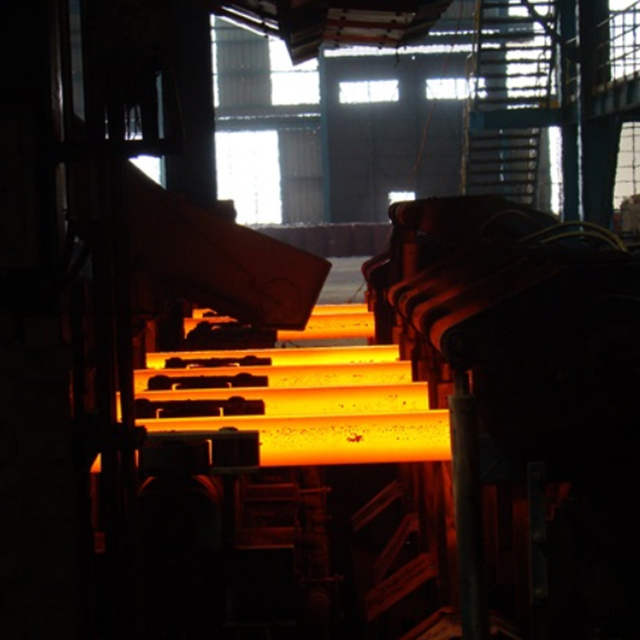
Systematic cleaning is the absolute prerequisite for effective inspection and prevents the majority of mechanical jamming faults. You cannot inspect what you cannot see. Removing scale, slag, and debris exposes cracked welds, leaking hoses, and loose bolts. Cleanliness in a steel plant is a fundamental mechanical requirement to keep moving parts free from abrasive obstruction. A clean machine runs cooler, experiences less friction, and allows technicians to spot minor leaks before they become major blowouts.
Compare manual lubrication routes versus automated, centralized grease systems. Manual lubrication in a continuous caster is dangerous and often inconsistent due to access limitations. Automated systems deliver precise volumes of high-temperature, water-resistant lubricants directly to segment bearings, purging contaminants continuously. Protocols for hydraulic fluid sampling and contamination analysis must be established to detect pump wear before catastrophic failure. Particle counts in hydraulic oil dictate when offline filtration is required.
Continuous micro-adjustments to roll gaps, oscillator strokes, and torch alignments maintain product quality. Mechanical components drift over time due to thermal expansion and vibration. Routine verification using calibrated instruments ensures the machine remains within its strict operational tolerances. A proactive adjustment today prevents a major metallurgical defect tomorrow. Maintenance teams must rely on hard data from gap sleds rather than visual estimates.
Zone Maintenance Frequency and Critical Actions
Operational Zone | Inspection Frequency | Critical Maintenance Action | Failure Consequence |
|---|---|---|---|
Mold & Oscillator | Daily / Per Heat | Verify stroke length and copper wear | Breakout, severe surface cracks |
Secondary Cooling | Weekly | Clean nozzles, verify spray patterns | Internal porosity, uneven cooling |
Segment Rolls | Bi-Weekly | Check roll gaps with sled, lubricate | Strand bulging, internal cracking |
Withdrawal Drives | Monthly | Inspect reducers, test hydraulic pressure | Strand stalling, speed fluctuations |
Implement baseline vibration monitoring on oscillator drives, turret slewing bearings, and withdrawal motors. Vibration analysis detects early-stage bearing spalling or gear tooth wear long before they become audible or cause mechanical binding. By tracking vibration trends, maintenance teams schedule component replacements during planned downs rather than suffering mid-cast failures. Accelerometers permanently mounted on critical gearboxes feed data directly into the plant network.
Utilize infrared thermography to identify blockages in cooling water circuits, uneven heat distribution in the mold, and electrical hotspots in control panels. Thermal imaging allows technicians to evaluate the secondary cooling chamber while the machine is running. Cold bands on the strand indicate clogged nozzles, while hot spots on electrical contactors warn of impending electrical failure. Routine thermal scans of the mold water discharge pipes confirm uniform heat extraction across all faces.
Detail the use of laser alignment tools for drive shafts and continuous caster roll segments during scheduled shutdowns. Traditional straight-edges and feeler gauges are insufficient for the precision required in modern casting. Laser alignment ensures that the entire containment rack is perfectly plumb and that drive couplings are aligned to within hundredths of a millimeter. This drastically reduces bearing loads, minimizes coupling wear, and ensures the strand follows the exact metallurgical passline.
Establish a protocol for documenting common faults since the machine's commissioning. Tracking recurring issues—such as frequent bearing failures in segment two or persistent nozzle clogs on the inner radius—highlights systemic design or procedural flaws. Accurate documentation prevents teams from repeatedly fixing the symptom rather than addressing the root cause. If a specific roll bends repeatedly, the engineering team must investigate the secondary cooling intensity in that exact zone.
Use historical fault data to dynamically adjust the continuous casting machine maintenance checklist. If empirical failure rates show that a specific hydraulic cylinder seal degrades every three months, the preventive replacement schedule shifts to ten weeks. Continuous improvement relies on turning historical breakdown data into predictive maintenance triggers. Static maintenance schedules fail to account for changing production speeds or new steel grades.
Mapping how digitizing checklists ensures technician accountability and standardizes inspection routines transforms plant management. Paper checklists are easily pencil-whipped and difficult to audit. A digital system forces technicians to acknowledge specific parameters, upload photos of worn components, and instantly generate work orders for defects found during the inspection route. This provides a reliable historical database for root-cause analysis and ensures no critical inspection point is skipped.
Evaluate software capable of handling complex asset hierarchies specific to steel plants. A continuous caster is not a single machine; it is a collection of interchangeable segments, molds, and drives. The CMMS must track the lifecycle of individual segments as they move from the machine to the maintenance shop for offline refurbishment. This ensures their complete service history, including bearing replacements and roll resurfacing, follows them regardless of their physical location in the plant.
Assess the capability of maintenance software to ingest real-time data from PLC systems. When the SCADA system detects a sudden drop in primary cooling water pressure, a motor amperage spike on a withdrawal drive, or friction variations in the oscillator, it automatically triggers a high-priority maintenance work order. This integration bridges the gap between operations and maintenance, allowing teams to react to machine distress signals before a component fails completely.
The conceptual trade-off between the high initial integration cost of IoT sensors and the long-term reduction in catastrophic equipment failures heavily favors integration. Outfitting a caster with advanced sensors and integrating them into a CMMS requires capital. However, preventing a single breakout or saving one major drive gearbox provides an immediate return on investment. Data-driven maintenance eliminates the guesswork from component lifecycles.
The conflict between production demands for continuous operation and the engineering requirement for thorough maintenance shutdowns is a constant risk. Pushing equipment past its maintenance interval to meet short-term tonnage goals inevitably leads to catastrophic failure and much longer unplanned outages. Operations and maintenance must align on strict run-hour limits for critical components like mold copper and segment bearings.
Implement modular maintenance strategies to minimize offline time. Utilize offline segment preparation and quick-change designs so that worn components swap rapidly during short windows. Utilize opportunity maintenance during planned grade changes, tundish fly operations, or downstream rolling mill delays to execute critical inspections without impacting overall plant throughput. Having pre-assembled, pre-aligned segments ready on the cast floor reduces a twelve-hour job to a four-hour swap.
Capital tied up in expensive spare parts, such as copper molds and segment rolls, presents a financial risk, but it must be weighed against the risk of extended downtime due to supply chain delays. Running out of critical spares halts casting operations for weeks while waiting for custom-machined replacements. A plant cannot afford to wait for a replacement slewing bearing to be manufactured after the original fails.
Establish a critical spares matrix based on lead times, cost, and failure probabilities. Partner with Original Equipment Manufacturers (OEMs) for consignment inventory or predictive supply models. This ensures that long-lead items are available on-site when needed without requiring the plant to carry the entire financial burden of the inventory upfront. Regularly audit the physical condition of stored spares to ensure they do not rust or degrade while sitting on the shelf.
Execution errors by untrained staff lead to severe equipment damage and extreme safety incidents. Working around continuous casting machines involves exposure to liquid steel, high-pressure hydraulics, confined spaces, and heavy suspended loads. A simple mistake during a segment change can be fatal. Safety protocols must be engineered into every maintenance task.
Mandate rigorous Lockout/Tagout (LOTO) procedures and confined space training for anyone entering the secondary cooling chambers. Follow this standard sequence for spray chamber entry:
Isolate and lock out all withdrawal drive motors and hydraulic pinch rolls.
Isolate and bleed pressure from the secondary cooling water headers.
Lock out the radioactive mold level sensors and install physical lead shutters.
Test the atmosphere inside the cooling chamber for oxygen levels and carbon monoxide.
Assign a dedicated hole-watch attendant before any technician breaches the chamber doors.
Conduct continuous, OEM-led technical training for maintenance crews on proper assembly, alignment, and adjustment techniques. Competency verification must be a recurring requirement for all mechanical and electrical technicians assigned to the caster.
For steel plants seeking to improve continuous casting reliability, working with an experienced metallurgical equipment partner can help connect maintenance requirements with equipment design, process conditions, and long-term production goals. WUXI LIWEI METALLURGY EQUIPMENT CO., LTD has been serving the metallurgical industry since 1998, providing engineering design, equipment manufacturing, installation, commissioning, and complete solutions covering steel melting, continuous casting machines, and rolling mills for customers across international markets.
Audit your current mold oscillation and secondary cooling maintenance logs to identify recurring failure patterns.
Implement a digitized, zone-by-zone checklist to enforce technician accountability and standardize inspection routines.
Verify your critical spares inventory matrix to ensure long-lead items like copper molds and slewing bearings are readily available.
Schedule a comprehensive laser alignment audit of the entire containment rack to establish a new baseline for machine performance.
A: Maintenance frequencies vary by zone. Mold and oscillator checks occur daily or per heat. Secondary cooling nozzles and roll gaps are typically inspected weekly or bi-weekly. Major structural alignments and drive train inspections are executed during monthly planned shutdowns.
A: Breakouts are prevented by maintaining strict mold copper taper, calibrating the oscillation stroke, ensuring uniform primary water cooling, and verifying that the foot rolls are perfectly aligned to support the fragile steel shell as it exits the mold.
A: Common faults include clogged spray nozzles, seized segment roll bearings, and oscillator drift. These are mitigated through aggressive scale removal, automated centralized lubrication systems, and routine vibration analysis to catch degradation early.
A: Scale buildup insulates the strand, causing uneven cooling and internal cracking. It also physically jams segment rolls and obstructs spray nozzles. Systematic cleaning prevents mechanical binding and allows technicians to accurately inspect structural components.
A: Automated, centralized lubrication systems are best. They continuously deliver precise amounts of high-temperature, water-resistant grease to the bearings, purging abrasive scale and steam contaminants that cause premature bearing seizure.
A: The oscillator dictates the negative strip time, preventing the shell from sticking to the copper. Poor oscillation maintenance causes lateral movement or erratic strokes, resulting in deep oscillation marks, transverse surface cracks, and potential breakouts.
A: Poor water quality leads to scale buildup inside cooling headers and clogs spray nozzles. This creates uneven heat extraction, causing severe internal thermal stresses, halfway cracks, and center segregation in the cast strand.